About the presentation
Attempts to make company directors legally answerable for the harm their companies cause to society and the environment have repeatedly failed. Most recently, the provisions on directors’ duties were removed from the proposed Corporate Sustainability Due Diligence Directive (CSDDD). The objections raised against such duties are longstanding. They have been raised since the earliest debates on the purpose of the corporation, and they come back across jurisdictions whenever lawmakers consider whether, and how, directors should take account of stakeholder interests. In essence, they hold that the protected class of stakeholders cannot be identified, that a hierarchy between interests does not exist, that courts lack a standard of review, that the duty would be unenforceable, and that boards would be making policy choices without a political mandate.
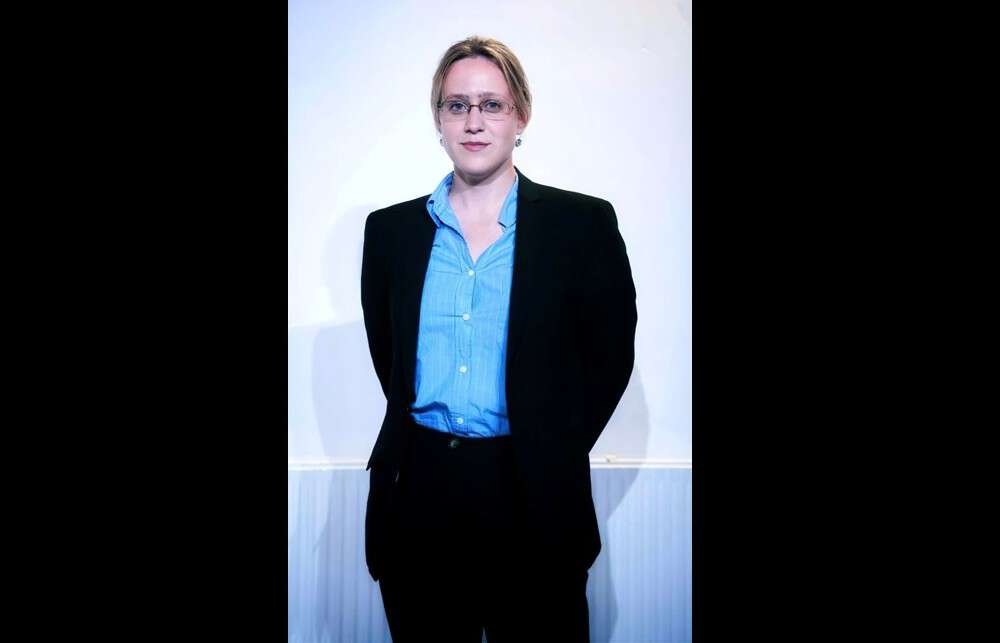
In this seminar, PhD Candidate Kateryna Varava presents her ongoing doctoral research, arguing that these objections defeat only one form of duty: a duty requiring the board to weigh, case by case, the company’s financial interest against social and environmental interests that do not share a common measure with it. Drawing a distinction between alignment, allocation and prohibition, she proposes a prohibitory duty instead. The legislature defines in advance a category of irreversible harm that does not have a substitute or a claimant, and directors must not take decisions by which the company would impose it, however profitable. The presentation also explains why such a duty is needed. Externalization is a stable market equilibrium, and existing duties reach directors mainly through corporate loss, which profitable harm does not cause. The duty should therefore be attached by statute to the office of director and enforced independently of corporate loss.
Kateryna Varava is a PhD Candidate in Private Law at Mykolas Romeris University (Vilnius) and Université Paris 1 Panthéon-Sorbonne (Paris). Her research is on corporate law and sustainability, focusing on how directors’ duties can address corporate externalities.
Participate
This online seminar is open to all interested!