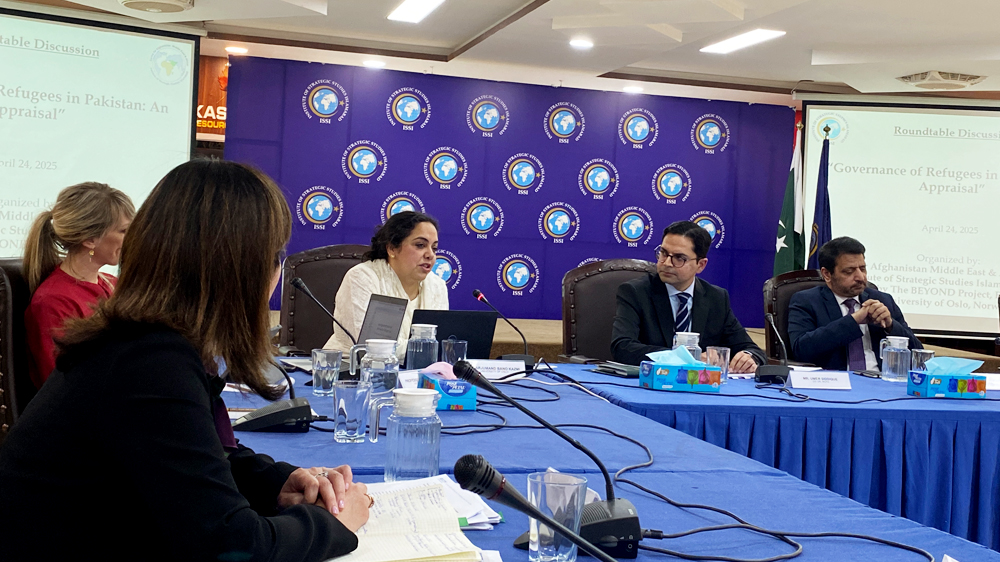
– This is the first time key actors with diverse perspectives are coming together on this issue. With the current repatriation plan, there are a lot of conflicting opinions and misunderstandings. We wanted to create a space to address these issues, Dr. Arjumand Bano Kazmi says.
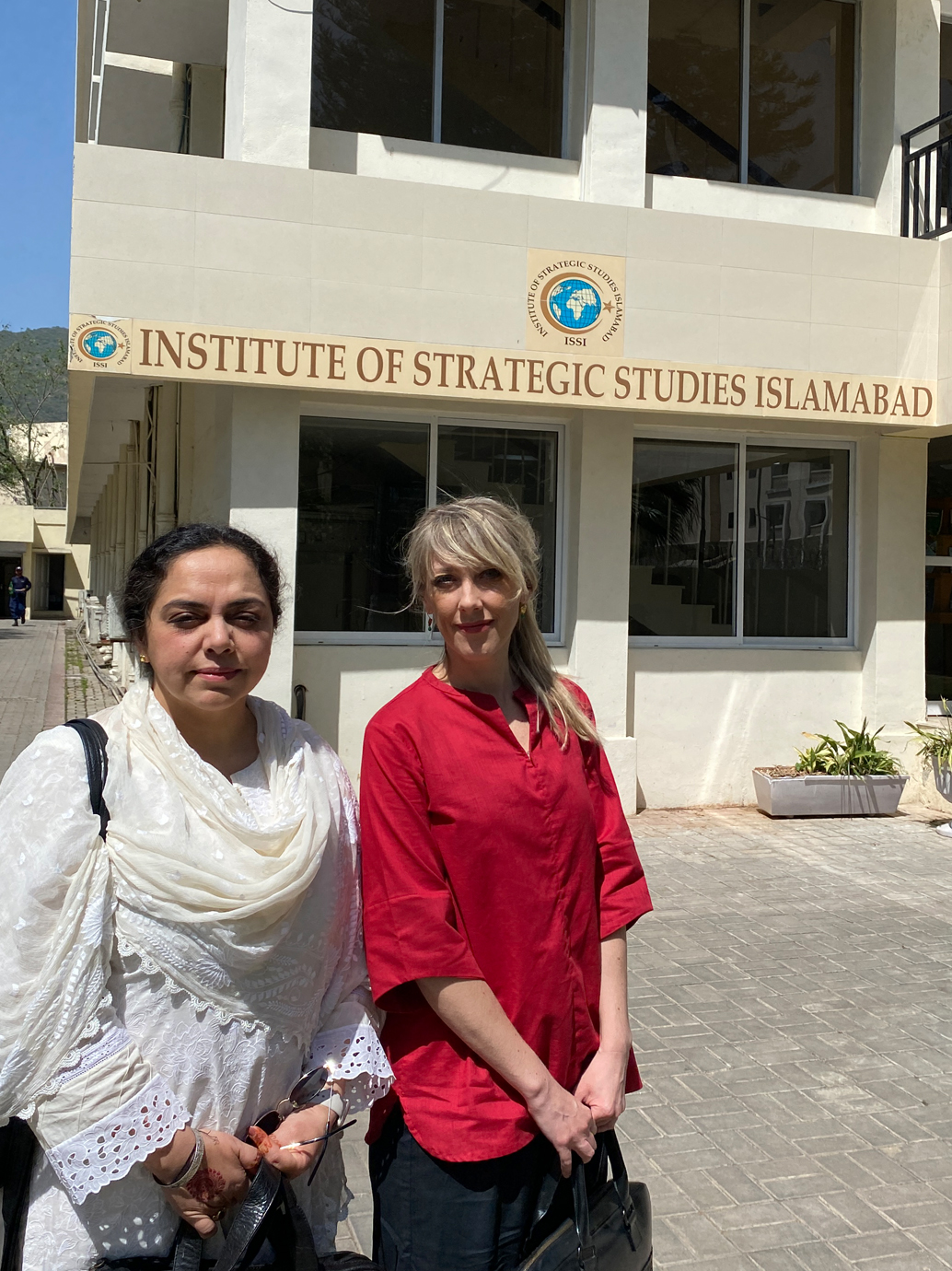
Titled 'Governing Refugees in Pakistan: Critical Reflections in Light of International Refugee Law,' the roundtable took place on April 24, 2025, and was co-hosted by the Institute of Strategic Studies Islamabad (ISSI) at their premises in Islamabad.
The roundtable aimed to share research from the BEYOND project and to facilitate a discussion on the governance of refugees in the country. To this end, it brought together representatives from a range of state ministries, international organizations – including the United Nations High Commissioner for Refugees (UNHCR) and the International Organization for Migration (IOM). Civil society organizations and academics also participated.
Timely and sensitive topic
The Pakistani government's 'Illegal Foreigners Repatriation Plan' (IFRP) mandates that around three million Afghan refugees and other migrants leave the country or face deportation. Given the ongoing expulsion policy, the roundtable was particularly timely and sensitive, in addition to bringing together individuals from various fields and areas of interest.
To initiate the conversation, Principal Investigator of the BEYOND project, Professor Maja Janmyr, gave a brief presentation about the BEYOND project. Kazmi thereafter shared her research on Afghan refugees in Pakistan. In her recent article, Pakistan’s judicial engagement with international refugee law, she examined the case Rahil Azizi v The State to explore how Pakistan's judiciary engages with the Refugee Convention despite the country’s non-signatory status.
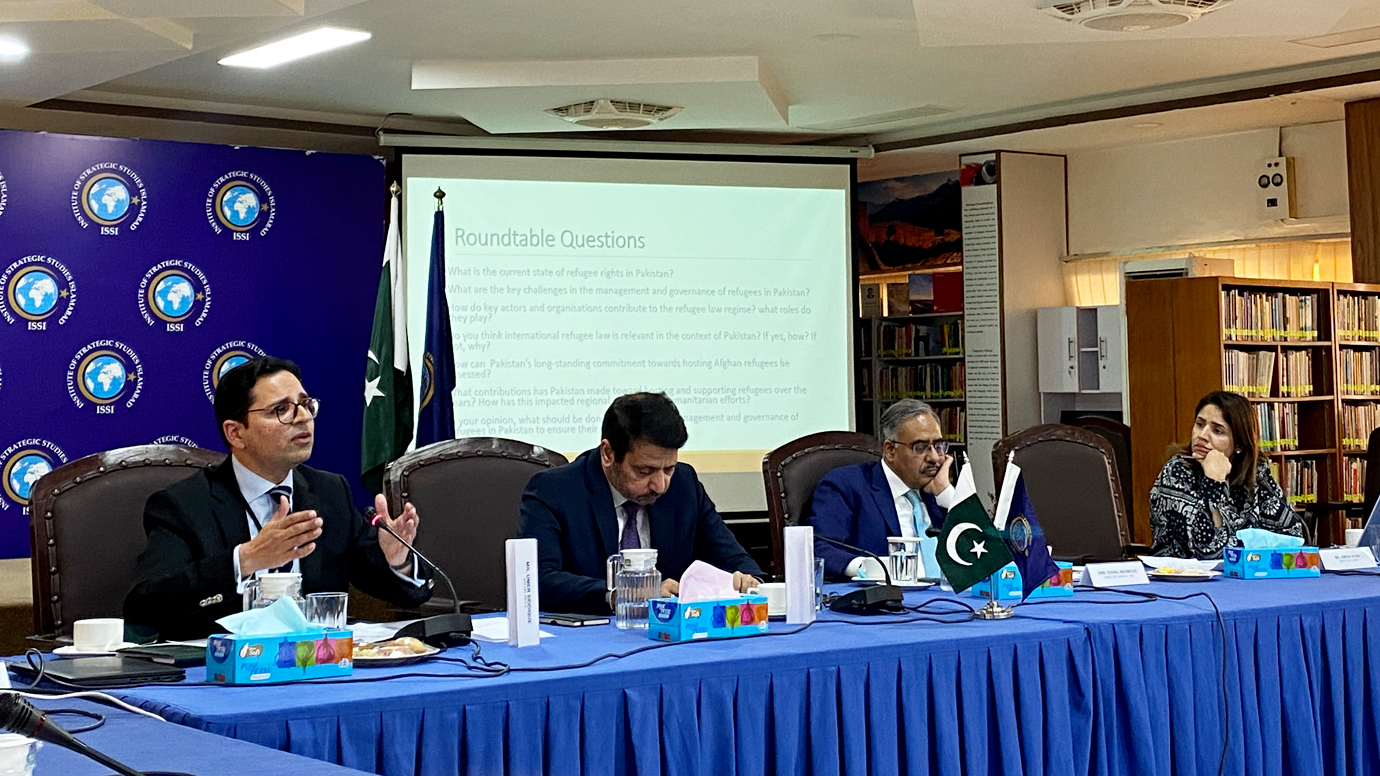
The ensuing discussions proved fruitful, examining various perspectives on Pakistan's refugee management. Roundtable participants debated the government's repatriation plan and its arbitrary implications for refugees, highlighting the differing views on their treatment and the limited legal instruments available for protecting refugees.
Lack of international support
The discussions revealed a consensus that Pakistan has been a generous host country for refugees over the past four decades, often outperforming the efforts of many signatory states. However, the roundtable also discussed the perception of Afghan refugees as a security concern, debating the impact that hosting a large refugee population has had on national stability and resources.
The conversation also addressed the international community’s reluctance to provide financial support or engage in responsibility-sharing with Pakistan, highlighting differing opinions on Pakistan's obligations to refugees given the limited international assistance available.
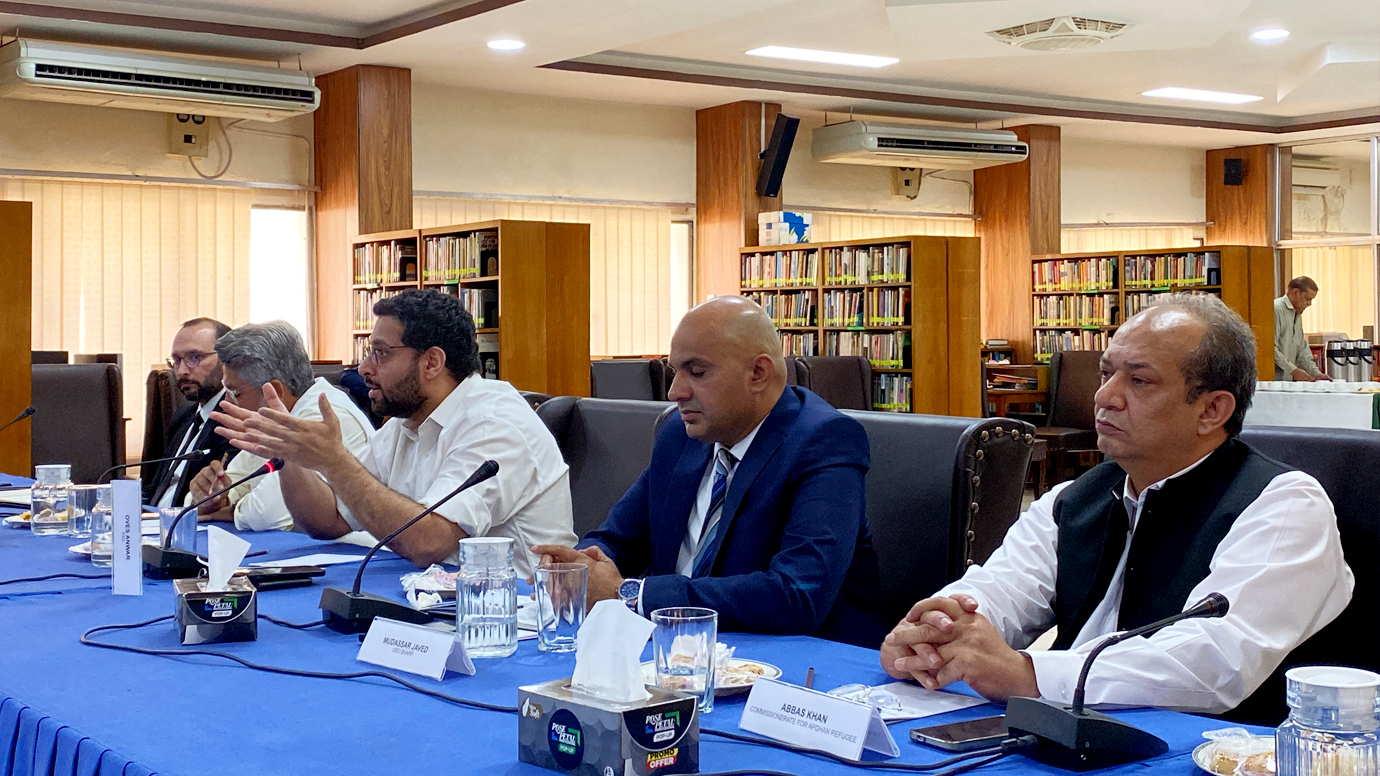
Overall, the roundtable was a unique initiative that underscores the necessity of providing platforms where key actors can be brought together to discuss the complex issue of refugee protection in non-signatory states.
– As we speak, Afghans holding the Afghan Citizen Card are being mass deported to Afghanistan, and Proof of Registration Card holders have until June 30th to leave Pakistan. Because of the protracted refugee situation in the country, the dialogue needs to continue, Kazmi emphasizes.