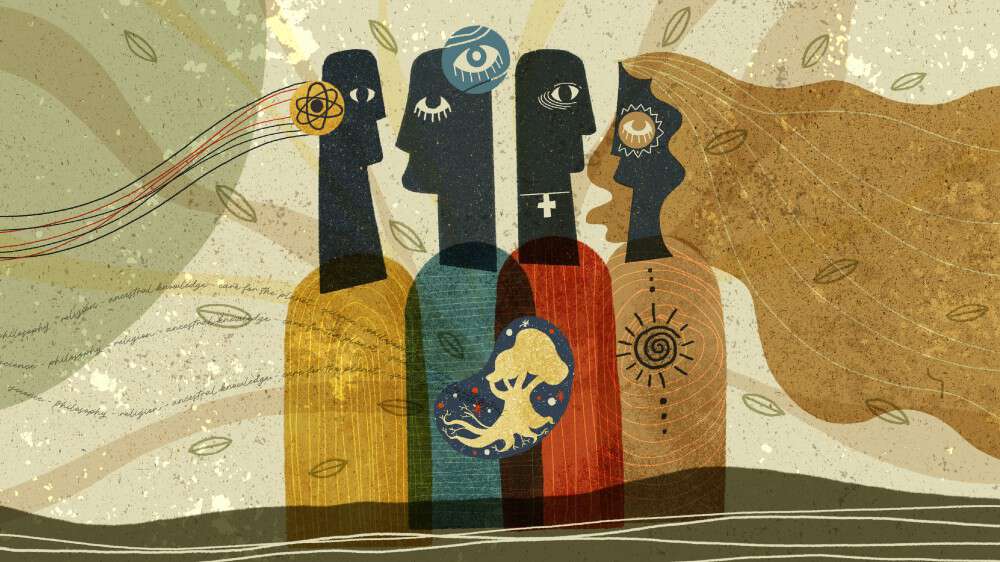
The stories told by natural science have been key in defining environmental issues and framing the solutions to the climate crisis. In this seminar, we are joined by three scientists who work with planetary boundaries, behavioral psychology, and biodiversity and conservation. They will give insight into their findings, how the discoveries they communicate have shaped our understanding of the climate crisis, and what science indicates we must do to protect the planet.
Dr. Robert McDonald is the Lead Scientist for Nature-Based Solutions and Lead Scientist for Europe at the Nature Conservancy, and a specialist on the Naturescapes project. He holds a PhD in ecology from Duke University and has written extensively on topics of conservation and biodiversity, focusing specifically on urbanization and climate change adaptation in cities.
Professor Katherine Richardson is a Professor at the University of Copenhagen in Biological Oceanography, Section for Biodiversity, at the Globe Institute, and leads the Queen Margrethe and Vigdís Finnbogadóttir's Interdisciplinary Research Centre on Ocean, Climate, and Society (ROCS). She is one of the core developers of the planetary boundaries framework and a pioneer within Earth system science.
Professor Tobias Brosch holds the chair of Psychology and Development at the University of Geneva. He has published extensively on how cognitive and social processes affect decisions, behaviors, and consumption in relation to sustainability, climate mitigation, and energy consumption. He has further collaborated with policy makers, and served as the lead author of the Seventh Assessment Report to the Intergovernmental Panel on Climate Change (IPCC).
The webinar is moderated by Dr. David Goyes, University of Oslo.
Watch the webinar here (YouTube)
The event is funded by the University of Oslo’s interdisciplinary initiative UiO: Energy and Environment.