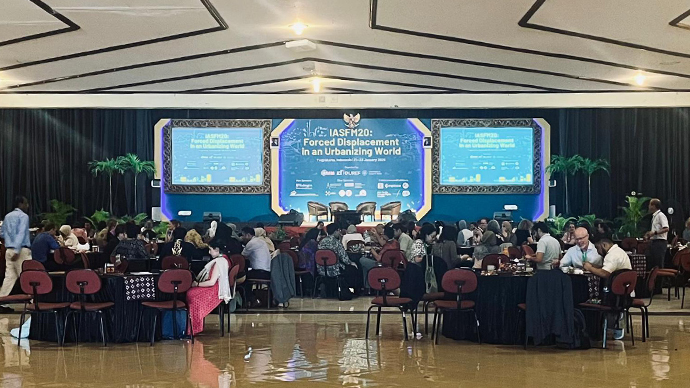
The 20th edition of the International Association for the Study of Forced Migration Conference (IASFM20) took place in Yogyakarta, Indonesia between January 20-23, 2025. The conference brought together scholars, practitioners, and policymakers focused on issues of forced migration.
Breaking the status quo
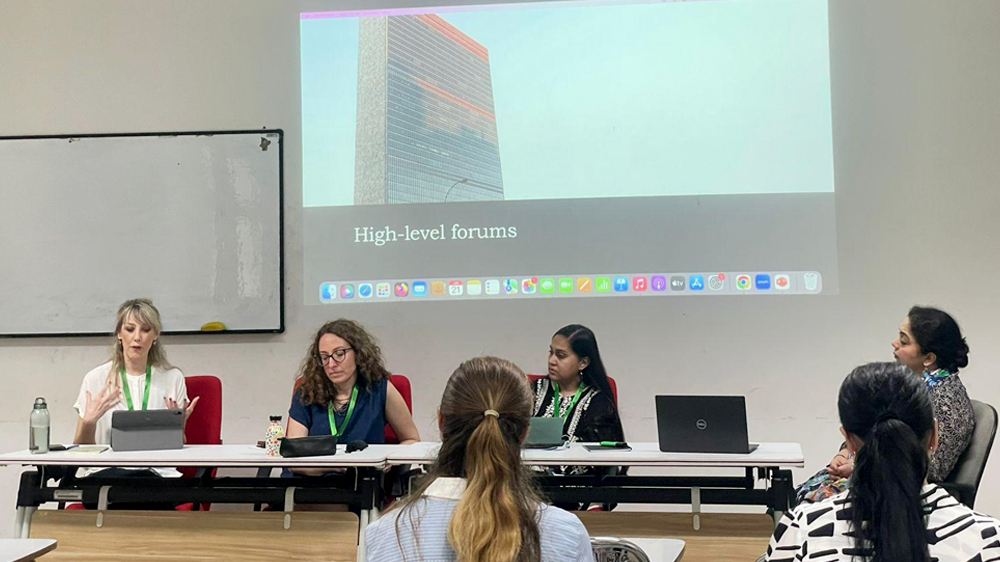
One of the focus areas of this year's conference was ‘non-signatory countries and the 1951 Refugee Convention’. The BEYOND project organized a panel on this theme, allowing the project's four researchers to present their on-going work. The aim of the panel was to break with the status quo in the ongoing discussions on the relevance of the Refugee Convention and its predominant focus on signatory states.
– Many non-signatory states host and often produce much of the global refugee population. Our goal is to instigate further debate on the function and impact of international refugee law beyond treaty obligations, says the project's leader, Professor Maja Janmyr.
Four case studies
Maja Janmyr, Özlem Gürakar Skribeland, Arjumand Bano Kazmi and Naureen Rahim all study different non-signatory states. Zooming in on Lebanon, Türkiye, Pakistan and Bangladesh, the scholars discussed the substance and practice of international refugee law in non-signatory states and demonstrated how these states interact with the international refugee regime.
Janmyr focused on Lebanon as both an outsider and an insider to the international refugee regime. She highlighted how since its very inception, Lebanon has been actively involved in developing international refugee law. Spotlighting Pakistan, however, Kazmi's presentation offered insights into UNHCR’s role in providing international protection to Afghan refugees through its engagement with the judiciary.
– Through its expert opinions and evidence-based court submissions, UNCHR made it possible for the courts to formally recognize its role in conducting the refugee status determination and providing expert guidance to the state on all refugee issues, says Kazmi.
Skribeland, on the other hand, presented key findings from her research into the Turkish Council of State’s engagement with international refugee law in cases involving non-European refugees from all around the world.
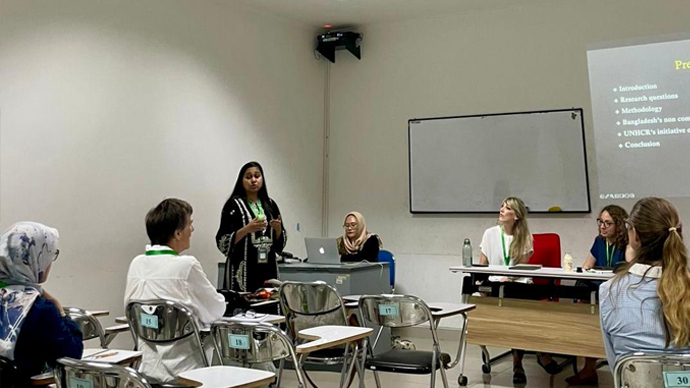
Rahim followed up with a presentation drawing on her archival research at UNHCR to illustrate negotiations between UNHCR and the Bangladeshi government when it comes to acceeding to the Refugee Convention. She emphasizes the importance of having a platform where scholars and practitioners can come together to discuss alternative ways of dealing with forced migration in different host countries.
– Since the conference focused largely on Asia and non-signatory states, there was enough space for the participants to explore various regional refugee-related practices and solutions that complement international refugee studies, says Rahim.