The 'Current Issues in Human Rights Research' Lecture Series
The Norwegian Centre for Human Rights invites leading academics from across the globe to give presentations on their cutting edge research within the field of human rights. The aim of the lecture series is to explore human rights research from several viewpoints and disciplines.
About the Lecture
International courts are key institutions for promoting international legal accountability and human rights. In a consent-based international legal system, however, international courts’ authority and influence depend significantly on states’ willingness to delegate authority to them. States may resist committing to international courts, and those that do may subsequently limit or revoke their commitment if they are dissatisfied with the court.
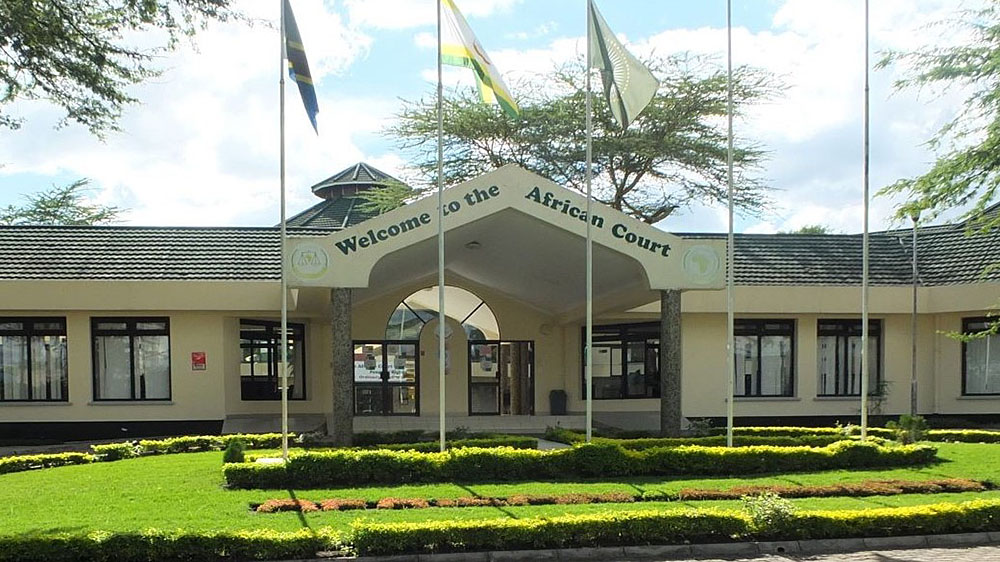
Like many other international courts that have struggled with gaining and retaining states’ delegation of authority, the African Court on Human and Peoples’ Rights (AfCHPR) has conducted outreach activities to increase African states’ commitment to the Court. Since 2010, the African Court has conducted “sensitization” (outreach) activities in African states, engaging government officials and civil society actors. These activities aim to promote states’ consent to the African Court’s authority, and to allowing individuals and nongovernmental organizations to directly access the Court.
This outreach has continued amid significant state backlash against the African Court, which has arisen as the Court has become increasingly active in adjudicating human rights cases and ordering African states to remedy human rights violations.
Dr. De Silva’s talk will explore the findings of her research in partnership with the African Court, which aims to study and improve the effectiveness of the African Court’s outreach practices within African states. This research yields insights into international courts’ challenges and opportunities for promoting human rights and legal accountability in international and domestic politics, especially in the context of rising democratic backsliding, polarization on human rights, and state opposition to international legal accountability. The findings also have implications for other international actors that seek to promote states’ human rights commitments under international law.
About the Lecturer
Dr. De Silva’s interdisciplinary research broadly concerns how institutions and laws promote human rights and legal accountability. Within this focus, she mainly explore the role of international institutions in global and regional governance, especially in Africa. She also research Canada’s human rights engagement through international institutions and domestic human rights commissions and has won several research awards.
Practical Information
Moderator: Prof. Nina Reiners (NCHR)
The lecture will be in English. Due to limited space, participants will have to register prior to the lecture.
The seminar will be held in room 7227, on the 7th floor of Domus Juridica. If you do not have access to the building, please get in touch with Elise Sandvik at elisandv@uio.no/+47 95871033.