Events
Upcoming

Thomas Duke Labik Amanquandor at Department of Criminology and Sociology of Law will be defending the thesis Transnational legal ordering and the fight against systemic corruption. Theorising the design–reality gap problem for the degree of PhD.
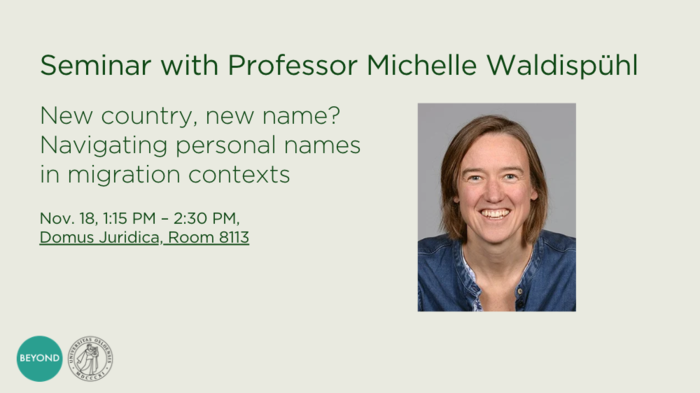
In this seminar, Michelle Waldispühl will discuss how migrants' personal names become a site of negotiation between identity, legal and administrative systems, and everyday life.

Welcome to the Sámi Law Symposium 2026!
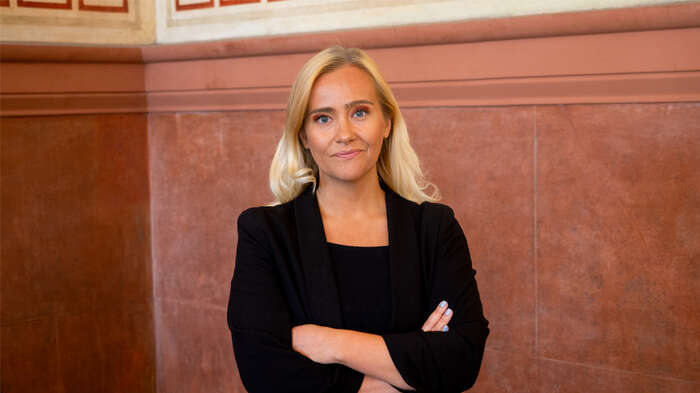
PhD candidate Katrine Antonsen at the Department of Criminology and Sociology of Law (IKRS) will present her doctoral project.
Previous
Exploring the hidden environmental costs of global maritime trade
PhD candidate Camilla Winde Gissel at the Department of Criminology and Sociology of Law (IKRS) will present her doctoral project.
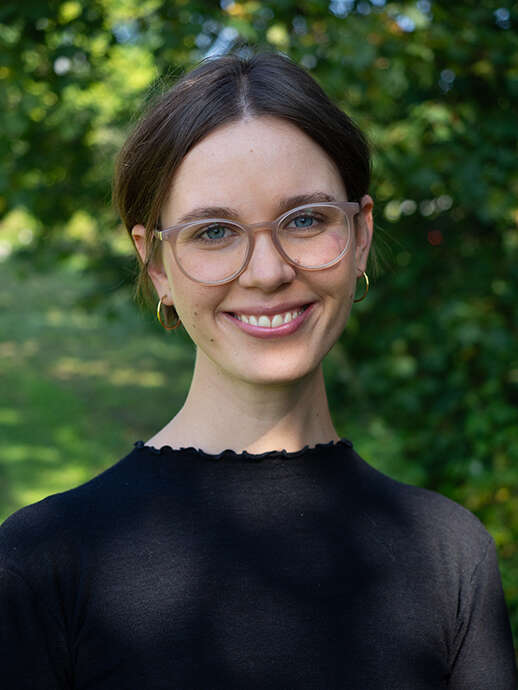
Lina Stotz at Department of Criminology and Sociology of Law will be defending the thesis Children Born of War and Narratives of (Non-)Recognition in International Criminal Law and Beyond for the degree of PhD.

PhD candidate Nora Milch at the Department of Criminology and Sociology of Law (IKRS) will present her doctoral project.
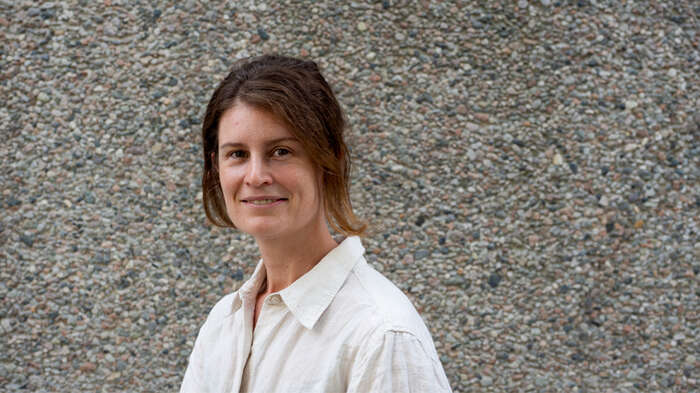
PhD candidate Sophie Angelis at the Department of Criminology and Sociology of Law (IKRS) will present her doctoral project.

One ecologist, one oceanographer, and one psychologist discuss the effects of human interventions on the planet, how these interventions affect humans, and what science tells us we can do to protect and preserve nature.
The Research group on the Sociology of Law and the Department of Criminology and Sociology of Law are pleased to host a public lecture with Professor Mark Fathi Massoud on the benefits and burdens of positionality practices in law and society research, highly relevant to social scientists and legal scholars alike.

The Research group on the Sociology of Law together with the Department of Criminology and Sociology of Law at the University of Oslo is hosting an interdisciplinary PhD course with Professor Mark Fathi Massoud on the benefits and burdens of positionality practices in law and society research, highly relevant to social scientists and legal scholars alike.

Seventy-five years after its adoption, the 1951 Refugee Convention remains the main global agreement for protecting refugees. Yet for many displaced people, its promises still do not match their experiences at borders, at sea, or in asylum systems.

As the BEYOND project concludes in 2026—coinciding with the 75th anniversary of the Refugee Convention—we are pleased to invite scholars, practitioners, and advocates to a forward-looking conference in Oslo.
Three Indigenous intellectuals from South America, North America, and Europe share the stage to talk about their People’s cosmovisions and environmental ontologies, and reflect on how Western(ised) society can learn from Indigenous ways of being.

Lost evidentiary artefacts as a site for inquiry.
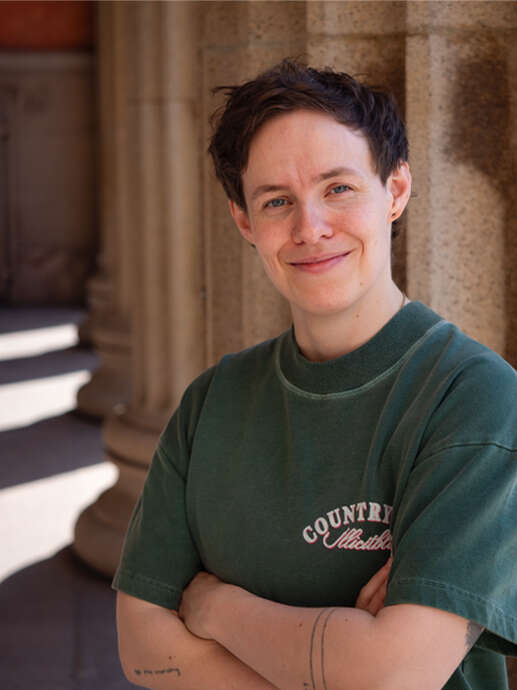
Maja Vestad at Department of Criminology and Sociology of Law will be defending the thesis Traces of crime: A study of evidence production in criminal justice for the degree of PhD.
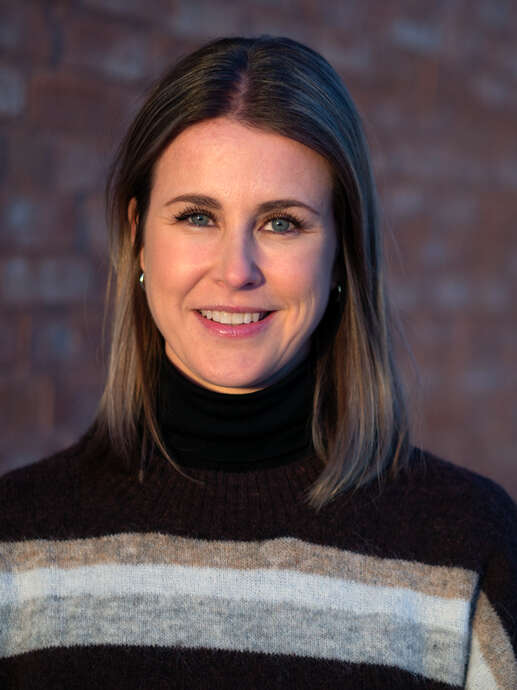
Ingeborg Jenssen Sandbukt at Department of Criminology and Sociology of Law and Oslo University Hospital will be defending the thesis From Disaster to Desister? Narratives of Incarcerated Men with Lived Sexual Recidivism Experience for the degree of PhD.
The European, Inter-American and African regional human rights systems take different approaches to migration. The difference is also at work in the case law of the UN human rights bodies.
One Catholic Bishop, one Muslim Imam, and one Sikh Faith representative will convey the sacred texts of their religions, the messages these texts carry about humanity’s relation to nature, and how these faiths can guide us in caring for the planet.

This seminar will explore border control practices — from the mountains and forests along the Swedish–Norwegian border, through the intra-Schengen apparatus to maritime border control along the Norwegian coast.
Three leading philosophers discuss the place of humans within nature, our moral responsibilities towards nature, and the deep views that can help us live in another ways.
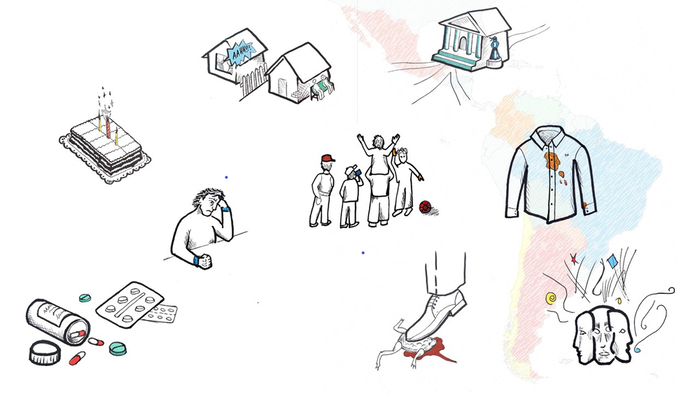
Join this panel discussion on a large-scale narrative study exploring stories that foster lethal violence against women in intimate relationships in Latin America. Experts from criminology and related fields will share insights and perspectives.
Bodies know and are known. How do personal experiences interact with political, legal, and scientific knowledge production, and how does this shape the regulation of the body?
Almost a quarter of the Ukrainian population has been displaced since Russia’s full-scale invasion began. Their sustainable and dignified return will be central to Ukraine’s future, and to the response to the largest refugee situation in Norway and Europe since the Second World War.