Published
Feb. 18, 2026 3:05 PM
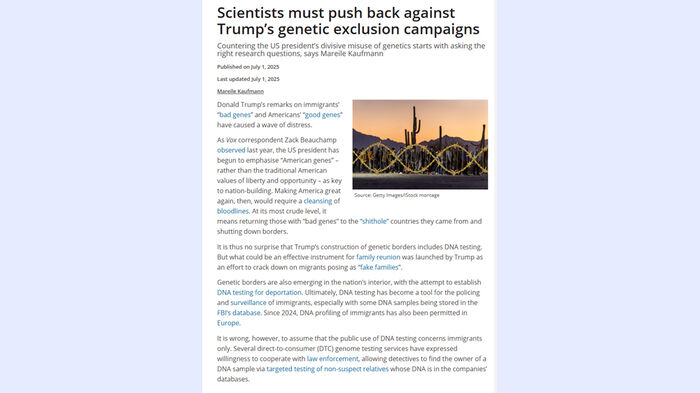
Mareile Kaufmann has written an opinion article in Times Higher Education

Molecules of cell nucleus in the interphase. Photo: iStock/selvanegra
Digital DNA speaks to, learns from and discusses research with different groups. Here is a log of past and coming interactions.
Mareile Kaufmann has written an opinion article in Times Higher Education
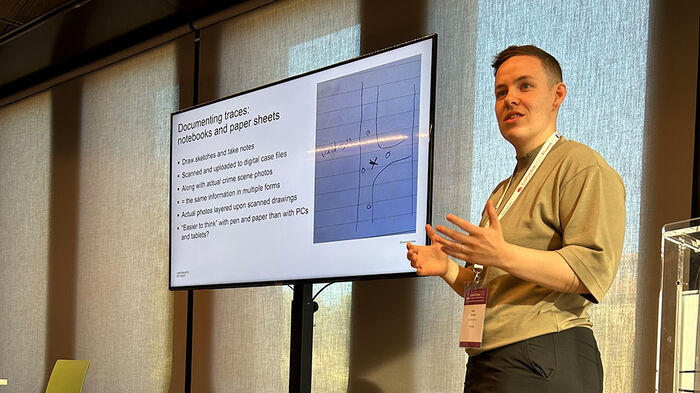
How does does a trace turn into evidence and legal knowledge? The research projects Evidently Rape and Digital DNA follow forensic traces from the crime scene to the courtroom. Join the conference
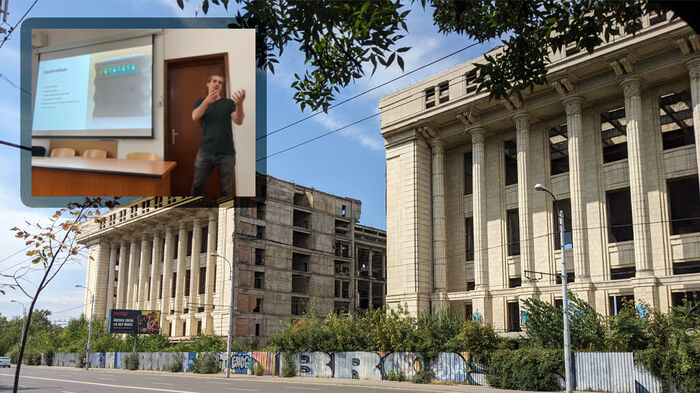
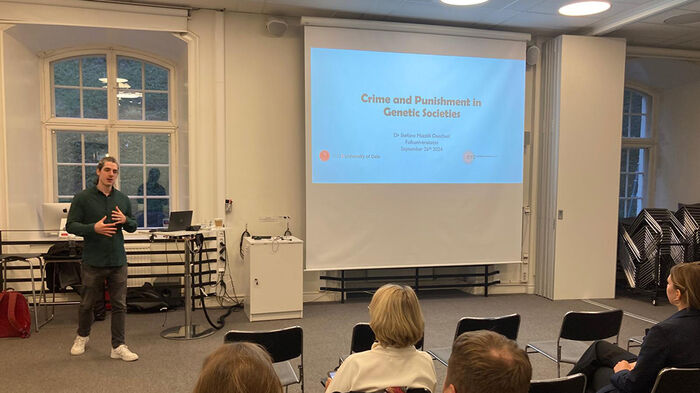
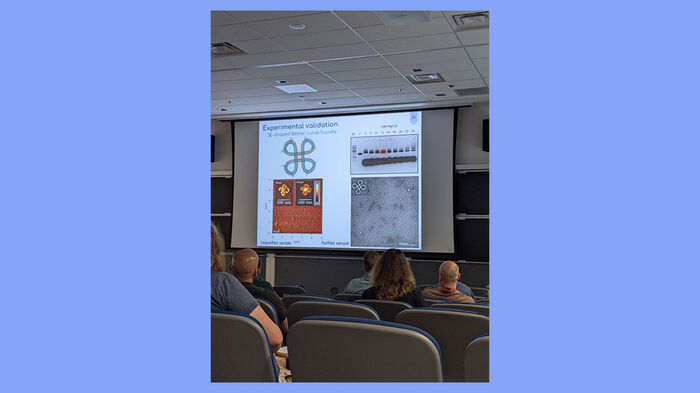
In September, our postdocs Stefano Mazzilli Daechsel and Silje Anderdal Bakken both attended EUROCRIM conference – the largest European conference for criminological research. The conference took place in beautiful Bucharest, Romania, with several thousand participants from all over the world.
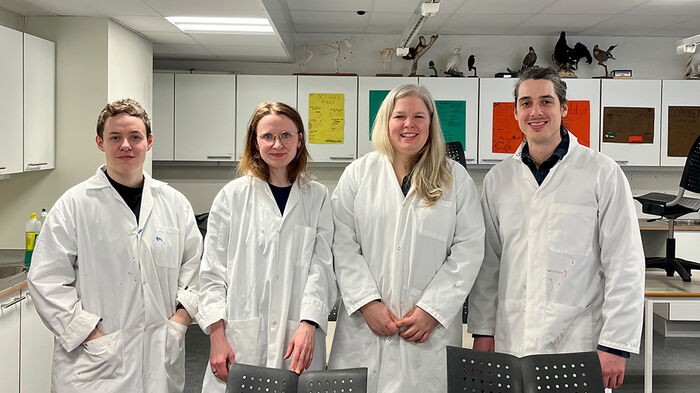
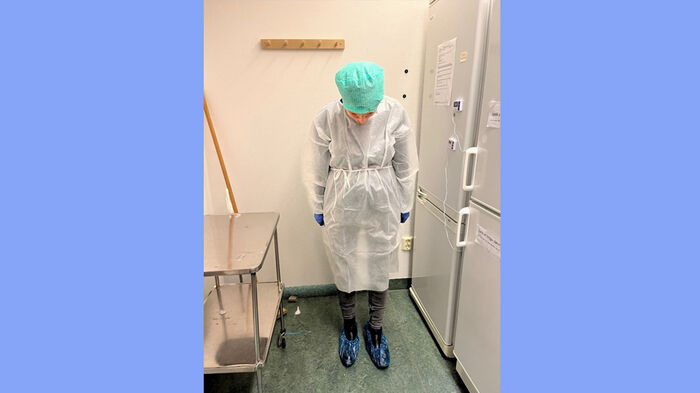
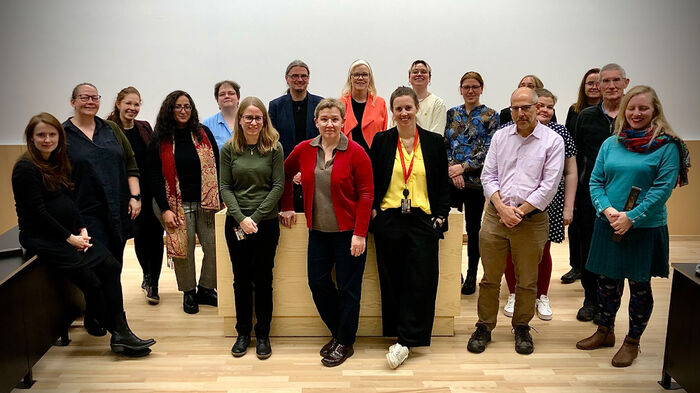
An important part of the Digital DNA project is to understand practices around working with DNA and related technologies. Therefore, in March 2024, the whole research team went to Nesbru high school to sequence DNA. A sequencing kit was purchased online. At the high school we had expert help from Priscila, a biology teacher who previously worked with DNA forensics in Brazil and Norway, and Dyre, a biology teacher who had worked in a company developing sequencing technology. We were also joined by a group of biology students from the International Baccalaureate program at Nesbru, which also gave us the opportunity for exchange and common learning experiences.
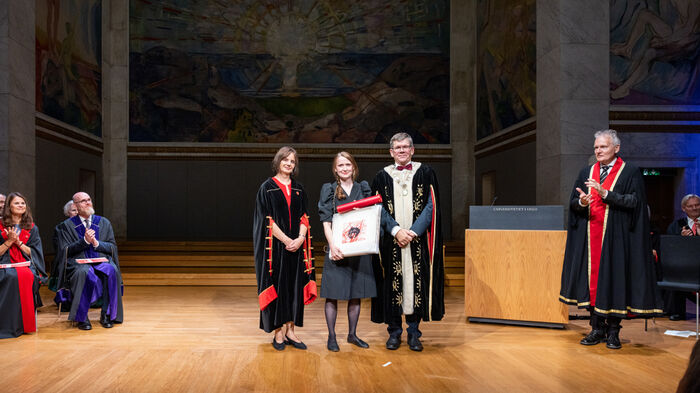
The University awards annual prizes in four categories: senior researcher, young researcher, education and dissemination.
This was a question discussed at the Evidence in Motion conference organized by the projects Digital DNA and Evidently Rape. A dialogue between the social and the forensic sciences was intense, but fruitful.
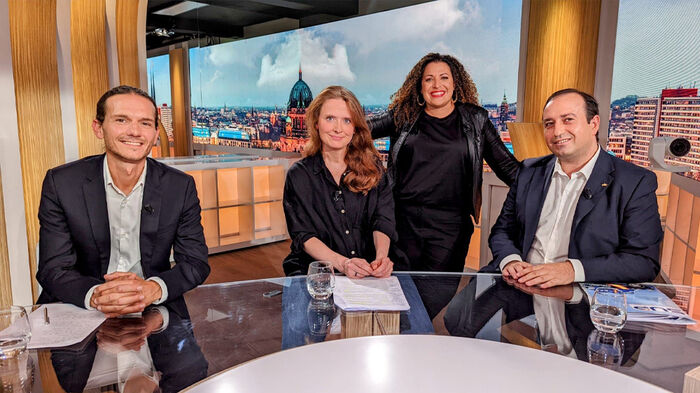
“27 – the European Show” ran an episode on police work “Police everywhere – security nowhere?”.
Digital DNA is gaining traction as the project is making both national and international attendances.
The new school provides young researchers with a platform to conduct innovative investigations into the complex interplay of digital, cultural and social change. Digital DNA will contribute.
Citizen D is an NGO promoting human and digital rights. Their podcast has a tradition of inviting experts from key fields to discuss the information society and media developments. After delivering a key note at the Autumn School of Law and Technology, Mareile Kaufmann was invited to Citizen D's podcast to speak about the future of policing. In their conversation, the host Domen Savič and Kaufmann touched on trends in algorithms for prediction, dataveillance, and the rise of new DNA technologies.
You can listen to the interview on Citizen D's website.
With the rise of digital DNA technologies surveillance efforts move from the surface of the body into its deep genetic structures. But the processes behind these technologies are not yet understood.
Where is information about DNA stored and processed? Who identifies matches and how?