The research project 'Transitional Environmental Justice' (EnJUSTICE) is a joint Nordic research collaboration headed by professor Vasilis Galis and includes researchers from Norway, Sweden, Denmark, Finland and Lithuania.
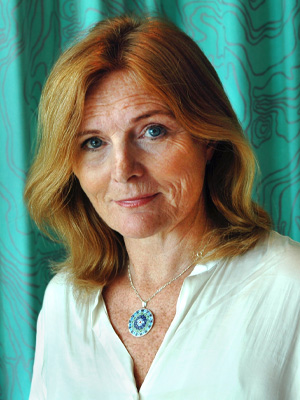
Professor Sollund is head of the Norwegian part of the study.
About the project
Climate initiatives often fail to include small countries, indigenous peoples, and local communities, neglecting their values and perspectives in policy development. Power imbalances and representation issues make a just transition to a green shift challenging. Making the Nordic region greener in a fair manner through democratic participation and citizen involvement has become part of key environmental debates and political discourses, and is now included in Nordic strategies for transformation. However, political debates have been criticized for shaping the process in a technocratic way.
A legitimate and just decision-making process for the energy transition requires a system that prioritizes public engagement and considers all stakeholders, both regionally and across borders, in line with the Nordic-Baltic ambition to include all citizens in the green transition.
Questions to be explored:
- How have transformative justice initiatives and traditions historically striven toward environmental justice?
- What characterizes possible tensions between these initiatives and traditions and state-driven efforts toward environmental justice and green transition?
- In what ways may the Nordics incorporate the knowledge and practices at the community and grassroots level into their broader aim toward a green transition?
Aim
EnJUSTICE aims to bring the voices of excluded/marginalized groups (including indigenous peoples and grassroots communities) in Greenland, Lithuania, and Sápmi into the discussion about Nordic-Baltic green transition strategies.
Method
We will collaborate with indigenous peoples and local communities in Greenland, Lithuania, and Sápmi to understand how their struggle for environmental justice can illuminate and support the Nordic approach to green transition. This will provide a comprehensive understanding of environmental justice through community experiences.
The research project includes, among other things, document analyses, ethnographic fieldwork, and action research.
The project team will work with researchers from Denmark, Lithuania, Sweden, and Finland.