About the Lecture
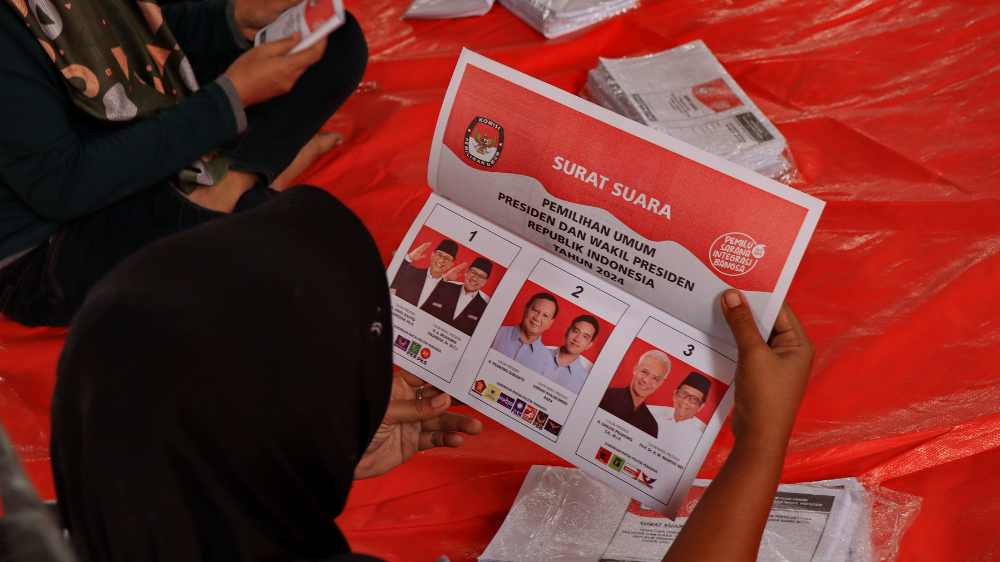
As a democratic country, Indonesia holds general elections every 5 years. The first general election took place in 1955, and the most recent was held in 2024. During the New Order government, Indonesia operated under a system often described as “pseudo-democracy”, in which Golkar, the ruling political organisation, consistently dominated elections, securing more than 80% of the vote in several elections. Since the beginning of the Reform Era in 1998, elections have been administered by the General Elections Commission (KPU), an independent electoral body. Elections have enabled citizens to vote directly for legislative representatives and executive leaders, including the president.
However, the 2024 Indonesian General election was widely criticised as controversial with wide range of serious violations of civil and political rights.These concerns included violations of Article 19 of the International Covenant on Civil and Political Rights (ICCPR) on the right to hold opinions without interference, and the right to freedom of expression, including the freedom to seek, receive, and impart information
This lecture examines the violations of civil and political rights before, during, and after the 2024 election. It also explores the role of Joko Widodo (Jokowi), Indonesia’s former president, in contributing to the victory of Prabowo-Gibran in 2024 Indonesia’s general election. Since the election took place in the digital era, it is important to acknowledge the role of social media in shaping political narratives and influencing electoral outcomes. Platforms such as TikTok were used to disseminate political messaging and propaganda, raising questions about their influence on public opinion and electoral competition. This lecture argues that violations of political rights and the strategic use of digital media contributed to the political conditions surrounding Prabowo Subianto’s election as Indonesia’s president in 2024.
Programme
- 10:00-10:30 Presentation by Dr. Sukawarsini Djelantik
- 10:30-10:45 Comments from the discussant, Aksel Tømte
- 10:45-11:00 Open discussion and Q&A
Practical Information
The event is held on the 8th floor of Domus Juridica. If you do not have an access card, please contact aksel.tomte@nchr.uio.no, +47 41259393