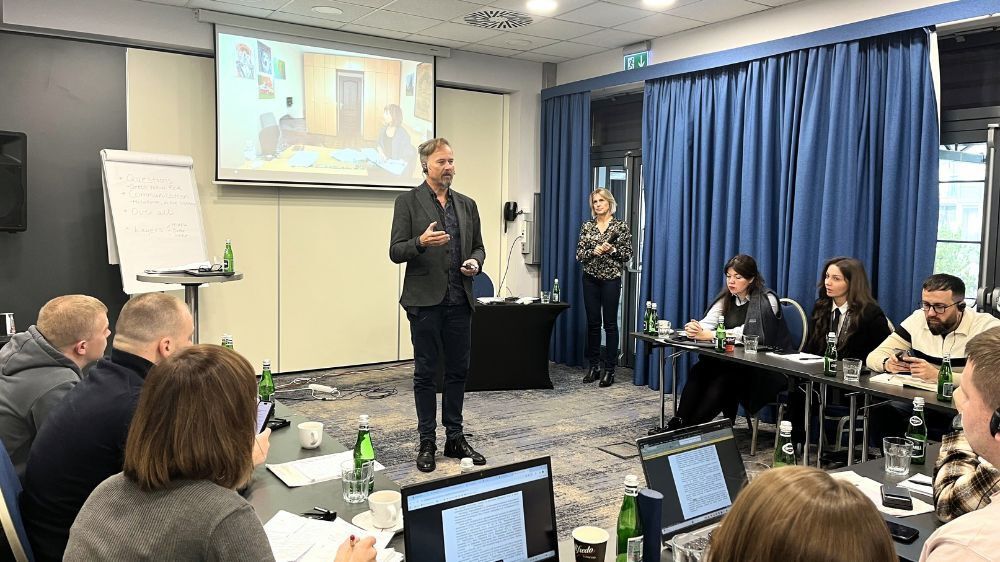
About the workshop: Why is feedback essential?
Feedback and evaluation are essential when learning how to conduct investigative interviews because it helps identify strengths and areas for improvement. Constructive feedback allows interviewers to refine their techniques, enhance their communication skills, and adapt their approach based on real experiences.
The purpose of the workshop, held in Krakow earlier this month, was to support the participants’ professional development and to equip them with the skills needed to facilitate similar evaluation and feedback sessions with their colleagues in Ukraine.
“Feedback is one of the most effective forms of improving interviewing skills. As a result of the training, I understood my systemic gaps. I will analyze all the recommendations and […] transform my work in this area” said one of the participants.
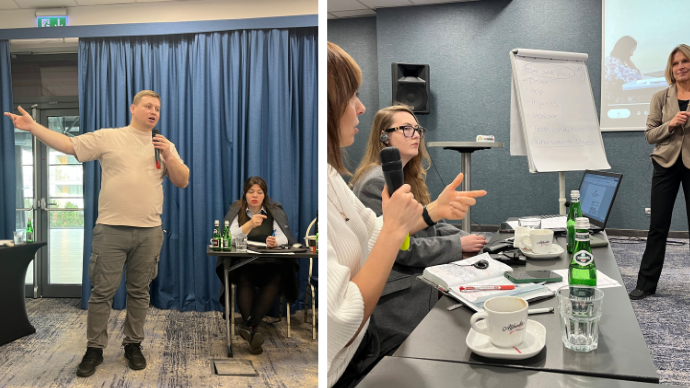
The participants submitted video recordings of investigative interviews they had conducted. The cases varied and included interviews with victims and witnesses of domestic violence, traffic accidents, and war crimes. During the workshop, selected segments of these interviews were played, and each participant received feedback and evaluations from the two instructors, Sigrid Buseth and Kjell Erik Eriksen, as well as from their peers.
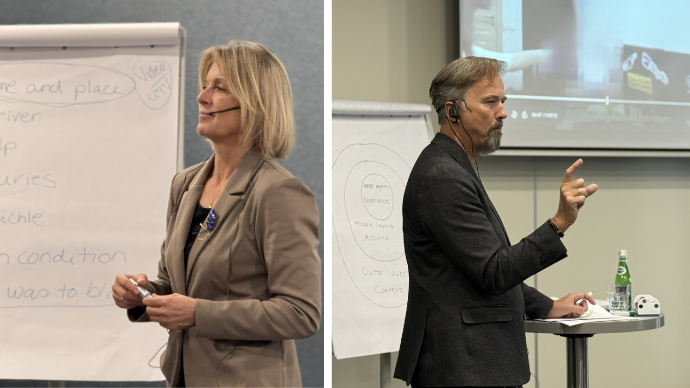
“The feedback from colleagues and instructors helped me to look at my interview more deeply and from a different perspective, which revealed moments that I hadn't even noticed before, and that I believe I need to consider and apply. It allowed me to see shortcomings that I had previously overlooked,” said one participant.
The instructors highlighted that the participants were highly engaged and skillfully gave and received feedback. Many expressed a strong interest in applying the evaluation techniques they learned to enhance investigative interviewing skills in their workplaces.
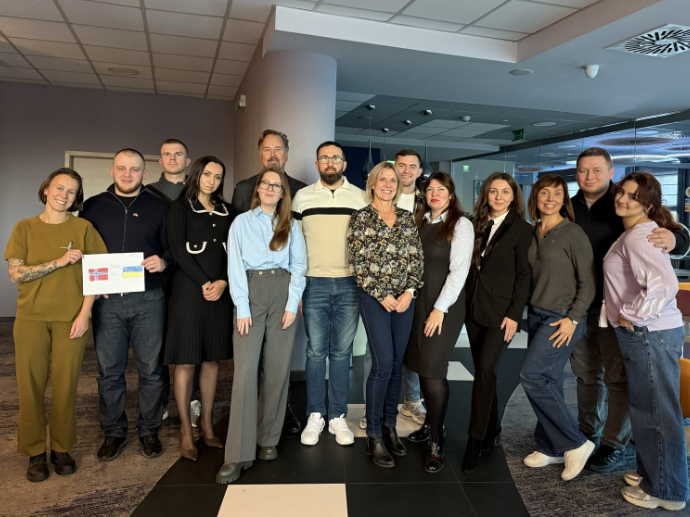
The workshop was organized in collaboration with our Ukrainian partner JustGroup as part of our joint project aimed at implementing and promoting investigative interviewing skills in Ukraine. The project is supported by the Nansen Support Programme for Ukraine. Future workshops are planned to continue supporting the professional development of Ukrainian investigators and prosecutors.
