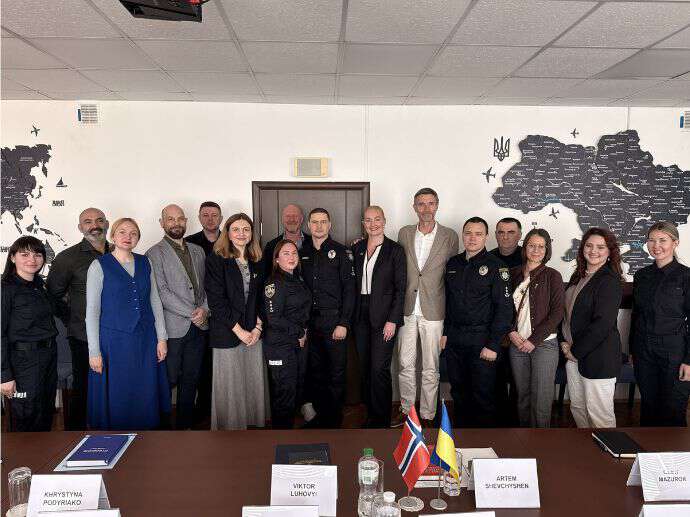
Bringing Ukrainian and Norwegian institutions together
The programme brought together Ukrainian and Norwegian practitioners, decision‑makers, academics, and technology experts for meetings, workshops, and professional exchange. The NCHR delegation met with several key Ukrainian institutions, including the Office of the Prosecutor General, the National Police, the National Anti‑Corruption Bureau, the War Crime Department and the Economic Security Bureau. A meeting at the Norwegian Embassy was also hosted with JustGroup.
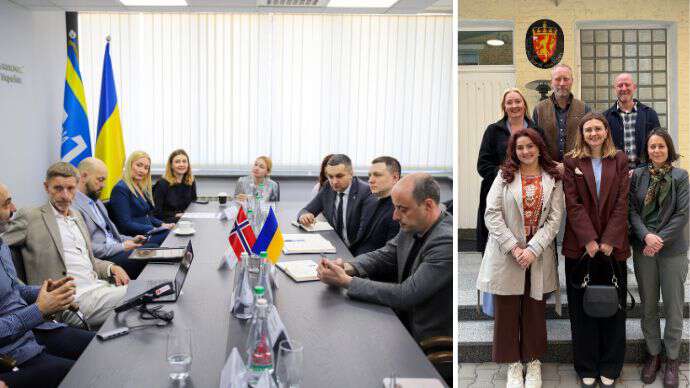
From methodology to practice: training, education, and leadership
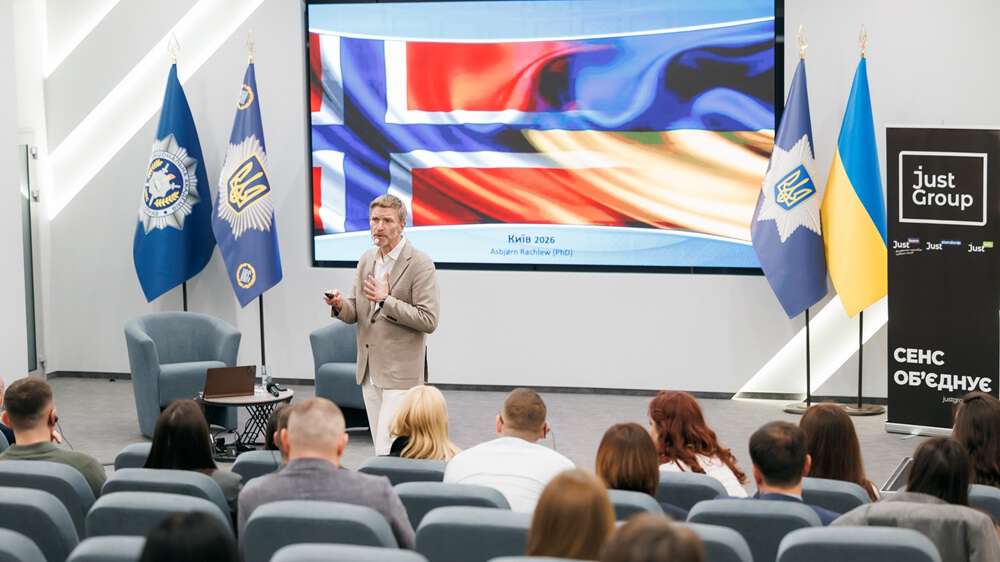
At the National University of Internal Affairs, a public lecture by Norwegian police expert and CPT member Asbjørn Rachlew brought together students, academics, and practitioners to discuss the professional mindset underpinning investigative interviewing. The lecture addressed common sources of miscarriages of justice, including false confessions and cognitive bias, and explored why confession-oriented approaches and traditional deception-detection methods fail to deliver reliable outcomes.

Technology as an enabler of human rights–based investigations
Another core element of the visit was the role of technology in supporting modern investigative practices. Workshops and demonstrations explored how digital solutions can enhance documentation, transparency, and efficiency in interviews and investigations.
At a workshop in Bucha, Norwegian police behind the AI4Interviews project presented technological tools designed to support investigations and forensic work, including a voice-controlled, head camera with speech-to-text and live sharing (JodaPro). It is designed to document findings directly at crime scenes.
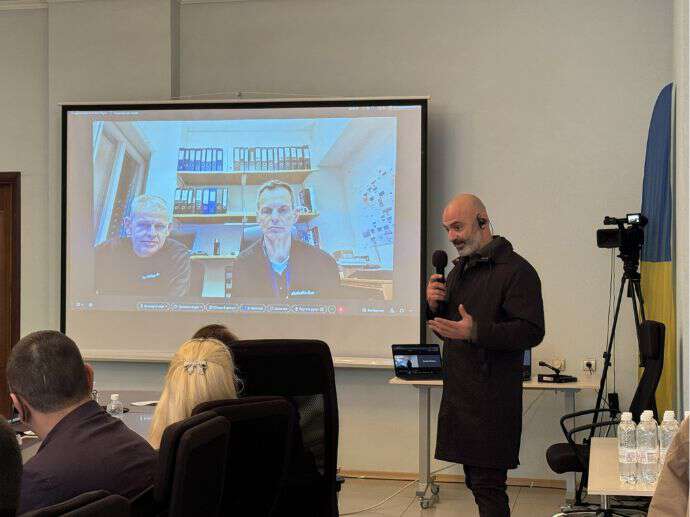
The discussions stressed that appropriate technological infrastructure – such as properly designed interview rooms and reliable video recording – is not a technical luxury, but a prerequisite for quality, accountability, and professional conduct.
A clear shift in investigative mindset
One of the strongest impressions taken back to Norway is how far Ukraine law enforcement agencies has come in changing their investigative mindset. Across all institutions visited, there was a clear and consistent move away from confession‑oriented practices and towards investigative interviewing based on information gathering, evidence, and respect for human rights.
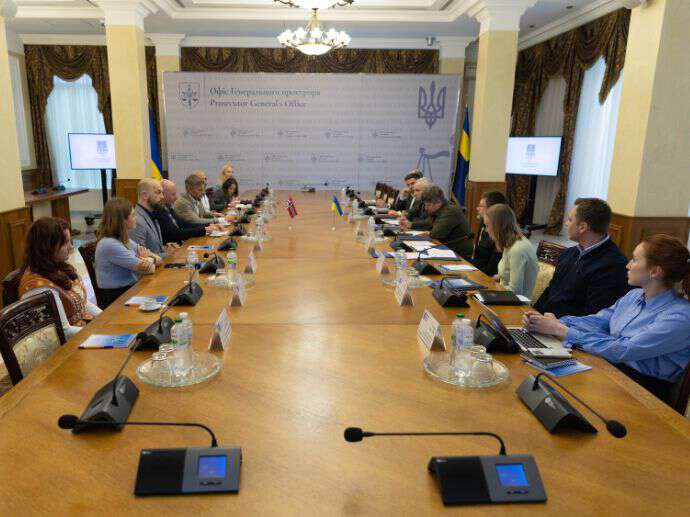
Importantly, this shift is no longer limited to individual practitioners or pilot initiatives. It is increasingly shared across institutions and clearly supported at leadership level. Ukrainian colleagues described investigative interviewing and the principles behind it as part of broader institutional reform and state policy, rather than a separate methodology. This indicates that the approach is beginning to “stick” within the system.
This was particularly evident in discussions related to serious crimes and war crimes during a visit to Bucha. Investigators and prosecutors highlighted how human rights–compliant interviewing is essential when working with victims, witnesses and suspects in highly sensitive and traumatic contexts, both to protect those involved and to ensure reliable evidence that can stand up in international courts.
Understanding the Ukrainian context
A second key takeaway from the visit was the importance of gaining a deeper understanding of the context in which Ukrainian colleagues are working. Meeting practitioners and leaders in Ukraine gave the NCHR delegation a clearer picture of the extreme pressures facing law enforcement and prosecutors, including the impact of the ongoing war.
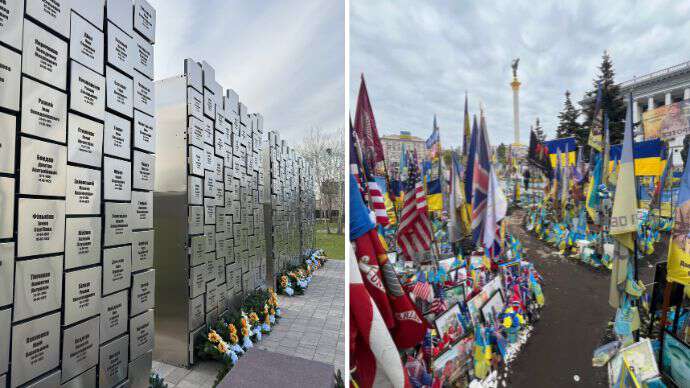
This direct engagement helped deepen NCHR’s understanding of the legal, practical, and institutional challenges Ukrainian colleagues face on a daily basis. It also highlighted the remarkable pace at which reforms are being pursued, despite extremely difficult circumstances. This insight is essential for ensuring that international cooperation and support are realistic, responsive, and grounded in the realities on the ground.
Looking ahead
The visit took place in a city and a country operating under extraordinary pressure. Despite the ongoing war, Kyiv continues to function as a hub for reform, dialogue, and professional development. Across institutions, Ukrainian colleagues conveyed a consistent message: investigative interviewing and the principles reflected in the UN Méndez Principles are now matters of state policy.
For the NCHR delegation, the visit offered a clear picture of a justice system undergoing a rapid and generational transformation. Ukrainian institutions are not waiting for more stable conditions to reform investigative practices – they are doing so in real time, under difficult circumstances, and with a strong sense of ownership.
The visit concluded with joint reflections on future steps and continued cooperation. As Ukraine continues to adapt investigative interviewing to a complex and demanding environment, NCHR remains committed both to supporting this work and to learning from the Ukrainian experience.